Work Like Humans
Join me live for 90 minutes and I'll show you the structure I used to grow soulbottles to 80 people and mid-seven figures, while never working more than 40 hours a week.
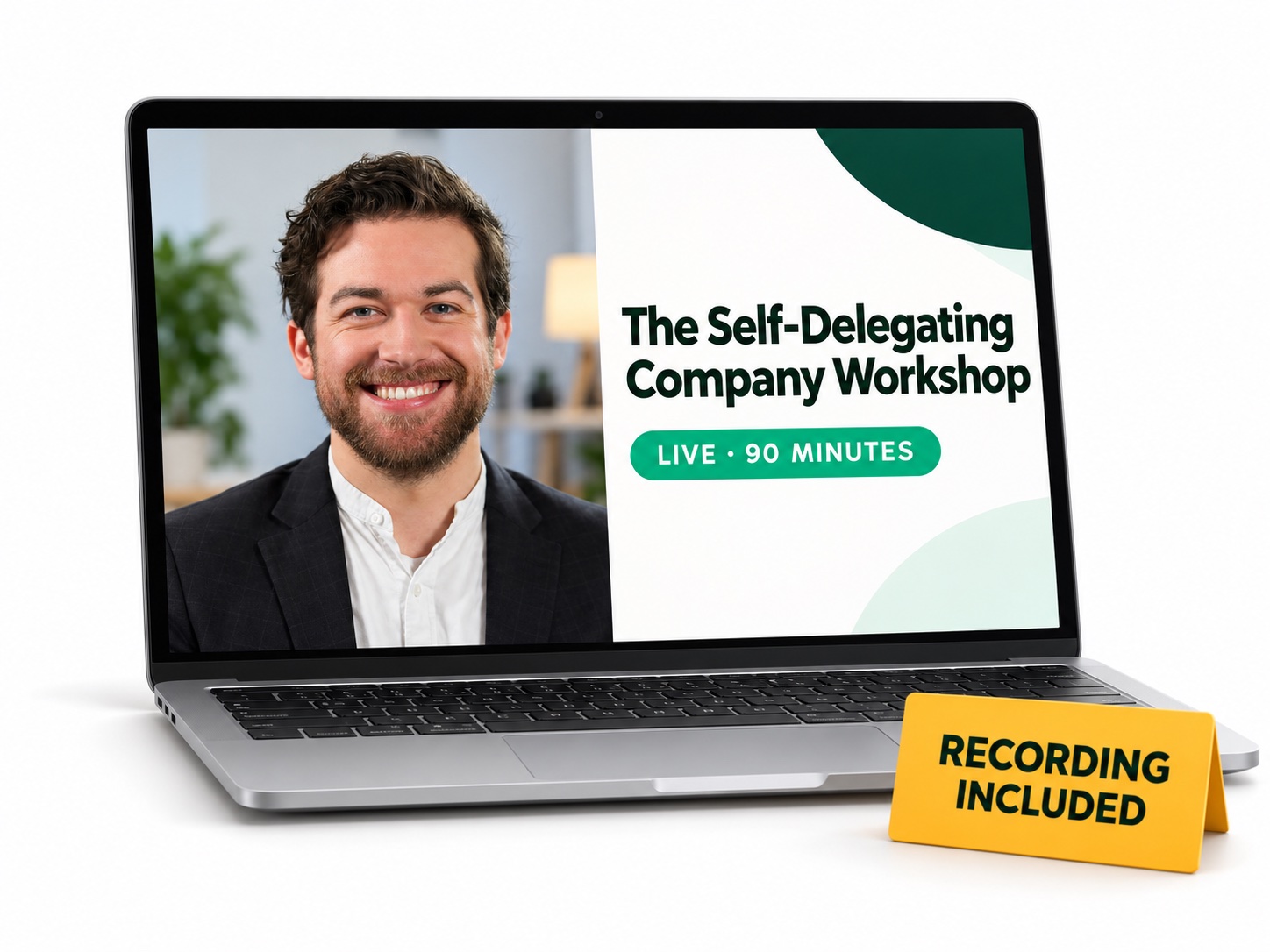
Live online · Recording included · €47
"4 weeks after implementing the self-delegating structure in my agency, the team said "how did we ever manage to work without it?""
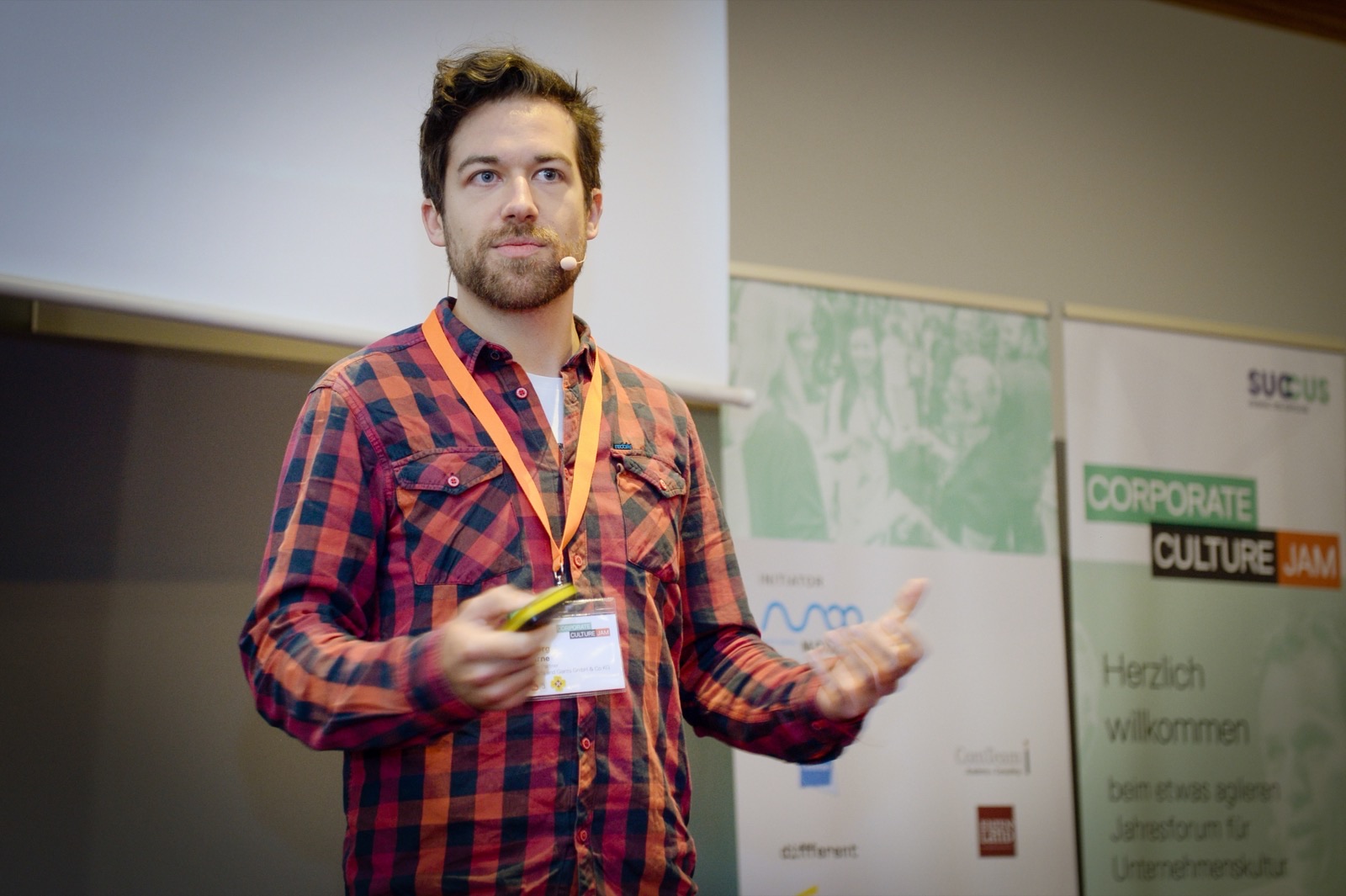
Hi, I'm Georg. :)
I know what it's like to be the decision-making bottleneck. I lived it.
I co-founded soulbottles, a social business in Berlin.
When we grew to 12 people, we'd already had to fire a few bad first hires.
And we had to face a hard question.
How do we create structure without losing our entrepreneurial spirit?
The "experienced leaders" had advice.
"Just be more assertive. You have to accept that it's lonely at the top."
Okay, thanks for nothing.
We read Reinventing Organizations. It sounded great. But it was all so vague that there was nothing to actually implement.
So we experimented. A lot.
Out of it came one structure. I call it the Self-Delegating Structure.
It let me grow soulbottles to 80 people and mid-seven-figure revenue, with no VC money.
We raised almost €2 million for clean water projects. We got the highest B-Corp score ever in Germany.
And I never worked more than 40 hours a week (apart from the occasional crunch week). I took enough holidays.
6 years in, I felt the company didn't need me anymore. I handed over my roles, bit by bit, and left as a friend.
Since then I've worked with more than 50 organizations directly, and set up this structure at dozens of them. Car makers. Foundations. Marketing agencies. Democratic schools. Even a dentist's office.
13 years of experience. Over a thousand people.
Now I'll show you the same structure, live, for your team.

Georg Tarne, co-founder of soulbottles
€47one payment
years of experience
people at soulbottles, no VC money
in revenue
hours a week, never more
organizations I've worked with directly
It goes like this.
A new problem comes up. Nobody's clear who's responsible.
You're used to solving problems fast. So you step in, faster than your own shadow.
Your team steps back.
Voilà. You've finished another round of the Overwhelm Spiral.
Every round, your pile grows. And your team learns, again, to wait for you.
You don't have a workload problem. You have a who-decides problem.
Read The E-Myth, or any business book like it. You get the same fix.
Write SOPs for everything.
Document every process. Hand over the binder.
Here's the catch. An SOP tells people how to do a task.
It never tells them who decides.
So the unclear calls still land on you. Nobody updates the documents.
And you end up with a process paper graveyard that nobody reads and that's quickly out of date.
The rest fails the same way:
None of them answers the one question that matters.
Who decides?
No theory. Here's what it does.
The ones you answer every week because nobody else knows they can.
With the authority to decide. If you have an accountability to make a decision, you also have the authority to make it. Not you. Not a vote. The individual role decides.
So it stays current. And it never becomes another binder nobody reads.
That's it. Lean roles. Clear decision mandates. Just enough detail to be useful, short enough that people still read it.
Your team moves from founder-delegating to self-delegating.
In the workshop I'll show you the role format, the decision mandates, and how to launch it with your team's buy-in.
These are consulting and structure clients of mine. They worked with me directly, not in this workshop.
"It's become so second nature that I even started using it at home with my partner, it helps us share care work and mental load in a way that's transparent and suits both of us."
"We had already been working in a self-delegating structure, but Georg's support helped us get it to the next level. I was finally able to hand over the finance roles I had never wanted and focus on my core strengths. One key team member had already been on the way out, but instead he became the new Managing Director."
"After several years of not feeling like we were set up for success in our team lead role, Georg's support helped us clarify expectations and mandates with our exec board. This gave us clearer expectations and more autonomy, so that we could fully step in to the team lead role. We also use the self-delegating role structure day to day in the team we lead and can't imagine going back."
"Georg brings a rare combination to the table: Founder experience AND broad organizational development expertise. We bring him in for the thorny, complex issues and when we just want more clarity, smoother collaboration and new perspectives on leadership for positive impact."
Spot your spiral. Where the Overwhelm Spiral runs in your team, and what it costs you each week.
List the decisions that keep landing on you. On your own team, live.
Give each one an owner. With the authority that comes with it.
Start your first lean roles. You leave with them started, not with notes about them.
Book the monthly update. 1 hour a month, run by your team.
Plus live Q&A, and the recording to keep.
One of two things will be true.
You're still the person everyone waits for. Another month of "quick question?" and evenings catching up.
Or you've started. Your first roles are written. Your team is launching the rest. The next unclear question lands, and it already has an owner.
When your team brings you finished work instead of questions, the €47 won't matter.
They can run the rollout: the dates, the reminders, the tasks. But you still need to be in it. Otherwise you'll create yet another experience of blocking your team without meaning to.
If your culture is built on empathy, self-responsibility, transparency and the mission above egos, it helps you put those values into daily practice.
No. It's easier when you're small. And it saves you bigger changes later.
No. The role decides, not the boss. And the roles are spread across the whole team, so there's no bottleneck at the top.
Because what makes a structure work is the social process behind it. Do people read it, understand it, accept it and use it? AI skips that part. You save a bit of time now and lose a lot of it later.
No. Keep what works. SOPs say how a task gets done. The structure says who decides. You need both, and most teams only have the first.
Without another binder of SOPs.
Even if you've tried OKRs, check-ins and flat hierarchy already.
So you can lead like a human, and still get things done.
The Self-Delegating Company Workshop90 minutes live · Recording included
€47
See you there,
Georg
P.S. In 90 minutes you'll start a structure where your team wakes up knowing exactly what to do, and brings you finished work instead of questions.
P.P.S. It's 100% money back. If it's not for you, one email and you get the full price back.
The Self-Delegating Company Workshop